Stories from independent and tier-1 publishers. Filter by vertical, search by topic, listen anywhere — your audio sidekick handles the rest.
 Storyflo Daily·design·3 min
Welcome to Storyflo Daily Design.
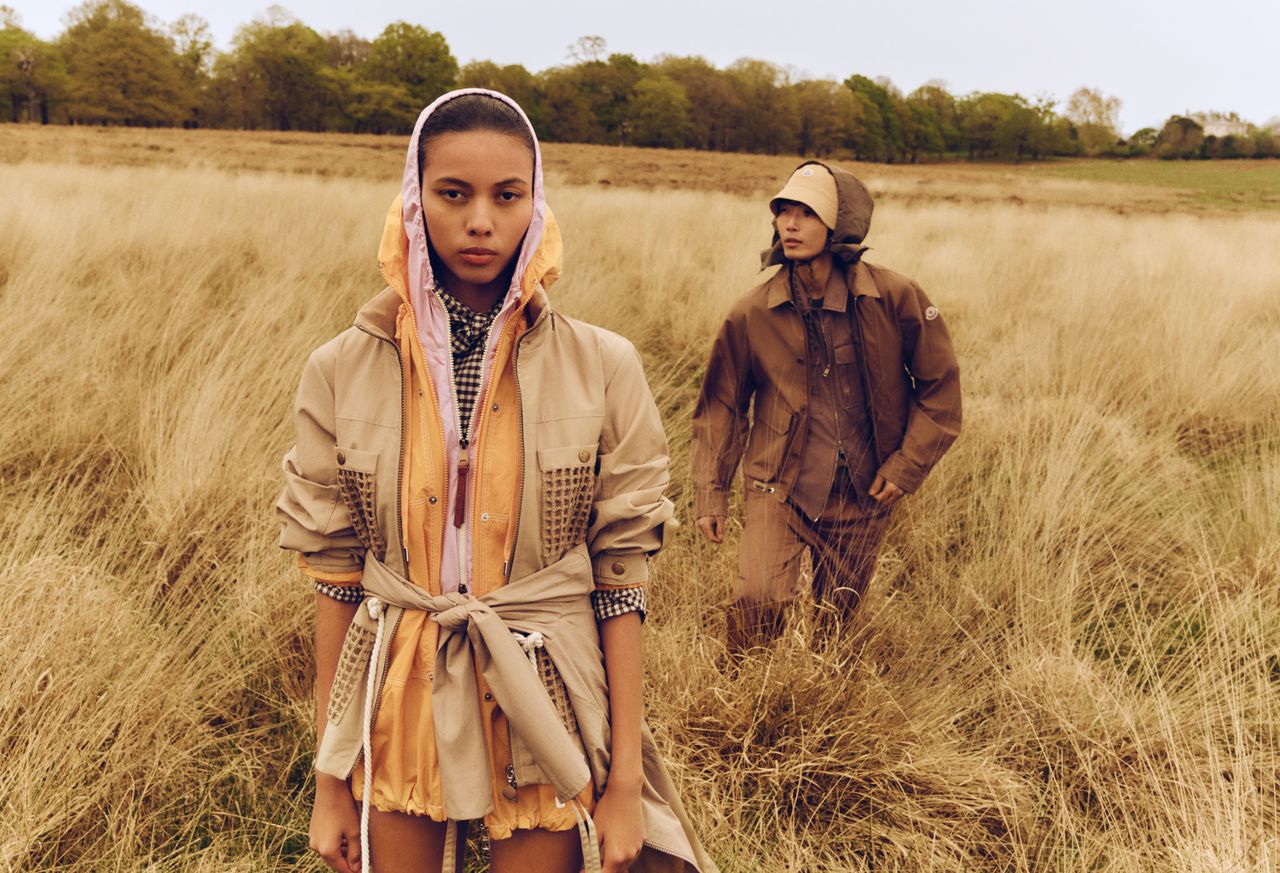
Moncler is expanding its brand identity beyond winterwear with the launch of its new summer collection, aiming to showcase a broader range of stylish options for warmer weather. The collection features a variety of high-end pieces, including jackets, dresses, and bodysuits, with prices reflecting the luxury market. The summer lineup includes standout items such as a £1,260 jacket and a £1,155 jacket worn underneath, demonstrating the brand's commitment to versatile layering. Other notable pieces include a £1,040 dress and a £715 bodysuit, all designed to appeal to fashion-forward consumers looking for chic summer attire. Moncler's strategy highlights its desire to redefine its image, traditionally associated with cold-weather gear, and position itself as a year-round luxury brand. This shift reflects broader trends in the fashion industry, where brands are increasingly diversifying their offerings to attract a wider audience. As Moncler ventures into summer fashion, it aims to maintain its reputation for quality and style while appealing to customers seeking fashionable options for the warmer months. The collection's release is a significant step in the brand's evolution, showcasing its ability to innovate and adapt in a competitive market.