Discovery
Browse Storyflo.Across every vertical.
Stories from independent and tier-1 publishers. Filter by vertical, search by topic, listen anywhere — your audio sidekick handles the rest.
Latest stories

ericsnacks · health· 7 min
Justine Cooks, I Snack
Unlike my culinarily-inspired better half, I am not a big cooker.
BBC US & Canada · news· 2 min
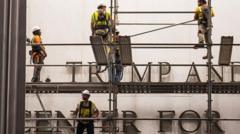
Kennedy Center board votes to put Trump's name back on building
The Kennedy Center board has voted to put President Donald Trump's name back on the building, two months after a judge ordered its removal. The board members, many of whom are Trump allies, voted to add "Restored and Renovated By President Donald J. Trump" to the formal name. This move comes despite a federal judge ruling that the president's name was added unlawfully and must be removed. The Trump administration had argued that changing the centre's name could create confusion if the decision were later overturned. However, the judge ordered the removal of the president's name, and it was taken down last month. The board also voted to proceed with a two-year closure for proposed renovations, which was earlier blocked by a federal judge. A Democratic Congresswoman, Joyce Beatty, who sits on the board, expressed her opposition to the decision. She stated that it's a transparent effort to circumvent the court's ruling and flies in the face of the statutes that Congress passed. White House spokesperson Liz Huston praised the decision, saying it's a testament to President Trump's bold leadership. The case stems from a broader legal dispute over the renaming of the cultural institution, which US law designates as a memorial to President John F Kennedy. The US president announced the addition of his name to the institution last year, and the dispute has been ongoing since then.

Luigi Mangione Expected to Plead Guilty in UnitedHealthcare CEO Killing, Source Says
Luigi Mangione is set to enter a guilty plea, likely by Friday, to federal charges that include stalking and the murder of UnitedHealthcare CEO Brian Thompson. The plea comes after investigators linked Mangione to the crime through surveillance footage and phone records that placed him at the scene and documented a pattern of threatening messages. Prosecutors say the evidence is strong enough that a trial would probably confirm his responsibility, so they’re moving quickly toward a sentencing phase. If the plea is accepted, Mangione could face a life sentence, though the exact term will depend on any negotiated agreements and the judge’s discretion. The case has drawn attention because Thompson was a high‑profile executive, but the legal focus remains on the concrete facts: the documented threats, the timeline of the homicide, and the forensic ties to Mangione. No broader corporate or systemic issues are being raised at this stage. For now, the key takeaway is that Mangione’s plea is expected, and the court will soon move to determine his punishment based on the established evidence.

Chartr · finance· 6s
Coming soon
So it looks like Pravesh Biyani is starting a Substack. That's about all we know for now, the site is basically a placeholder saying it's coming soon. I'm guessing we'll hear more about what he's planning to write about once it launches. For now, it's just a waiting game. I'm a bit curious to see what he'll be covering, but I suppose we'll just have to wait and see. No other details are available yet, so we'll have to keep an eye out for any updates. That's all for now, not much to go on, but I'll keep you posted if I hear anything else.
FoundMyFitness · health· 8s
Newsletter
Rhonda's Newsletter is a new publication, but it's already stuck in a loop - the first two sentences are identical. The author, Rhonda Azar, invites readers to sign up for the first issue, and also asks them to spread the word to their friends. It's unclear what content the newsletter will cover, but the repetitive introduction suggests a straightforward approach.

Biohacker Lab · health· 7s
Coming soon
I found this article about a biohacker who's launching a Substack. It's basically a newsletter or online publication where they'll share their insights and expertise on biohacking, which is the practice of using science and technology to enhance human performance and longevity. The biohacker in question has a background in biology and has worked with some well-known figures in the field. They're promising to share exclusive content, including research summaries, personal anecdotes, and interviews with other experts. It's not clear yet what kind of tone or style the newsletter will have, but it sounds like it could be a valuable resource for anyone interested in biohacking and self-improvement.
Asimov Press · science· 9s
Prof Asimov
This article appears to be a self-promotional piece for a newsletter rather than a news article. It doesn't provide any actual content or information, just a call to sign up for the newsletter. The tone is more like a sales pitch than a genuine newsletter. Given this, I'd say it's not worth summarizing in the traditional sense.
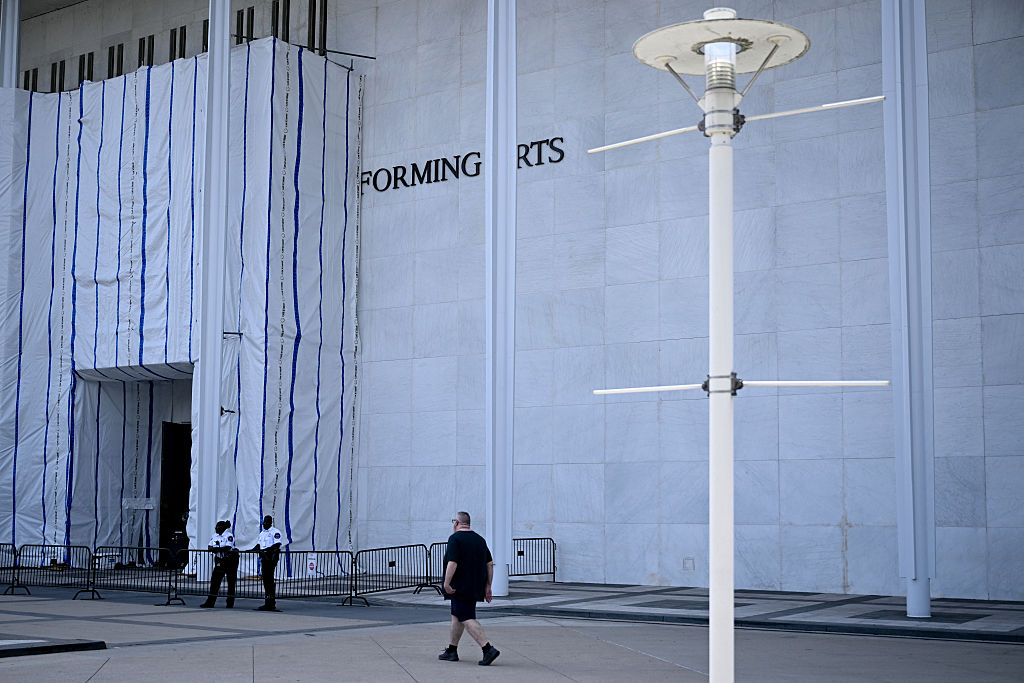
Kennedy Center Board Votes to Put Trump's Name Back on the Building, Testing Judge's Order
The Kennedy Center’s board met on Tuesday and voted to restore the “Donald J. Trump” plaque on the building’s façade, a move that directly challenges a federal judge’s earlier order to keep the name off the venue. The decision came after a narrow 13‑to‑5 vote, with several board members saying the removal had become a political symbol rather than a cultural one. The judge’s order, issued last month, stemmed from a lawsuit filed by a coalition of arts groups who argued that the plaque violated the center’s non‑partisan mission and federal funding rules. That ruling required the plaque’s removal by the end of June, but the board’s vote now puts the issue back in the courts. Legal experts note that the board’s action doesn’t automatically reinstate the plaque; a new hearing will be needed to determine whether the judge’s injunction still applies. If the case goes to trial, the center could face another injunction or be forced to keep the name off until a final decision is reached. Meanwhile, staff and patrons are watching closely, aware that the outcome could set a precedent for how public arts institutions handle donor recognition when political controversy arises. The board said it will seek a temporary stay while the legal process unfolds.
Times of India · world· 1 min
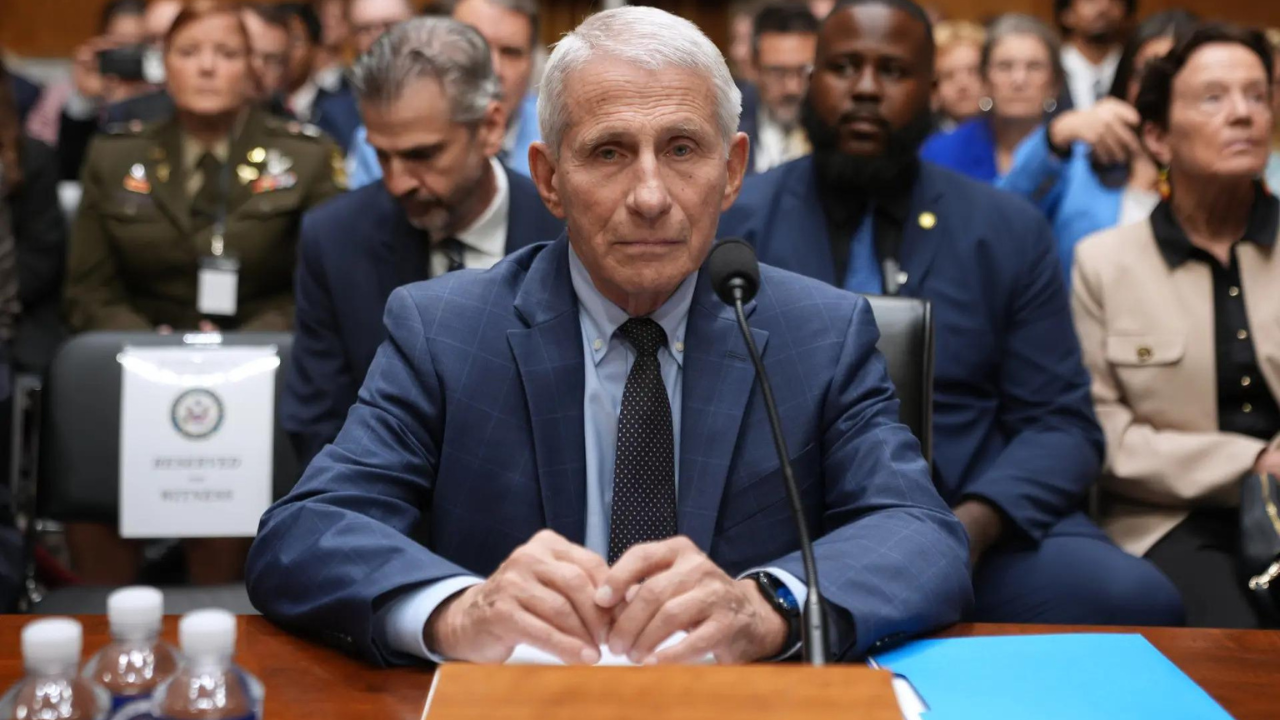
Anthony Fauci invokes Fifth Amendment at Senate hearing on Covid response
Anthony Fauci invoked the Fifth Amendment during a Republican-led Senate hearing on Covid response, declining to answer questions about his role in the federal Covid response after being subpoenaed to appear. He said he was acting on legal advice and described the decision as difficult. The hearing was requested by Senator Rand Paul of Kentucky, who has repeatedly accused Fauci of misleading Congress about Covid-19's origins and the US government's involvement in related research. Fauci accused Paul of pursuing a political campaign aimed at securing his prosecution, while Paul alleged that Fauci helped fund virus research that contributed to the pandemic and later attempted to obscure his involvement. A central focus of the hearing was US-funded research conducted through EcoHealth Alliance in collaboration with a laboratory in Wuhan, China, with Republican lawmakers suggesting this research may have played a role in the emergence of Covid-19. Fauci has previously rejected claims of wrongdoing, stating that the research funded by the National Institutes of Health did not involve the type of high-risk gain-of-function experiments critics allege. Most scientists continue to believe Covid-19 likely emerged naturally from animals before spreading to humans, though the lab-leak theory remains politically contentious. A Republican-led congressional subcommittee in 2024 did not find evidence linking Fauci to misconduct. Ahead of the hearing, Senator Paul released more than 1,000 pages of Fauci's personal diary entries from the pandemic period, claiming they contradicted Fauci's public statements. However, some entries reflecting early uncertainty about the virus had already been disclosed in Fauci's memoir and prior interviews. Fauci's attorney dismissed the allegations as "false and disgraceful," and more than 150 scientists signed a letter defending Fauci, stating that "no credible evidence has been produced" to support the accusations.

Automotive News· 2 min
Fed holds interest rates steady, but increase still expected in 2026
The Federal Reserve kept the benchmark interest rate steady at 3.5 to 3.75 percent, but experts still predict a rate increase by the end of 2026 to combat inflation. This could lead to higher borrowing costs for dealers and consumers. According to the CME Group's FedWatch tool, investors expect a 34 percent chance of a quarter-point rate hike this month and a 60 percent chance of a half-point increase by the end of 2026. The Fed's benchmark rate has a ripple effect on consumer auto loan interest rates, which have been relatively stable despite a series of Fed increases from 2022 to 2023. The average interest rate on new-vehicle loans was 7 percent in June, down 0.3 points from a year earlier, while the average used-vehicle interest rate was 10.5 percent, down 0.4 points. However, experts warn that sustained high rates will keep automakers from offering broad low financing options, pricing out middle- and lower-income buyers and shifting sales towards higher earners. Dealers are also facing the prospect of higher floorplan borrowing costs, which could lead to them buying fewer vehicles and different models. The impact of a rate increase is already being felt, with consumers taking on massive loan balances and stretching terms to keep monthly payments manageable. The average monthly payment on new vehicles is set to hit a record $784 in July, and a 0.25-point rate increase could have a structural impact on the market, making it harder for consumers to afford new cars.
Trump asks Supreme Court to overturn $83.3 million E. Jean Carroll case
Trump asks Supreme Court to overturn $83. Jean Carroll case Two weeks after losing a bid to avoid paying the writer E.
Fed holds interest rates steady, but 3 officials vote for hike
Federal Reserve holds interest rates steady, but 3 officials vote for hike The Federal Reserve said on Wednesday that it is leaving its benchmark interest rate unchanged, a sign policymakers expect in…